
If you’ve recently been told you need dialysis, one of the first decisions you’ll face is which type: hemodialysis or peritoneal dialysis. Both filter waste from your blood when your kidneys can no longer do it themselves, but they work very differently. Here’s a clear explanation of each.
How Hemodialysis Works
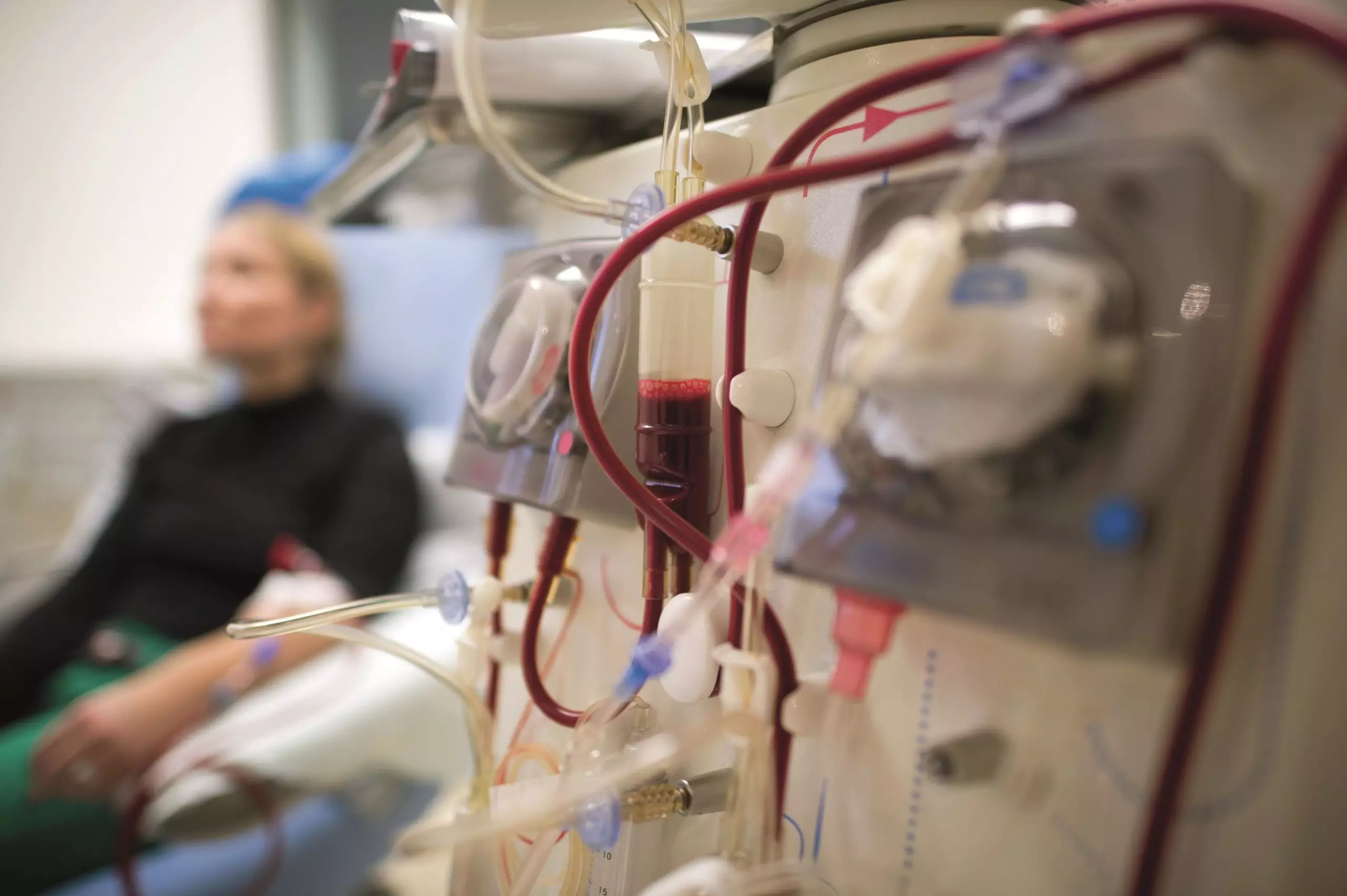
Hemodialysis filters your blood through a machine outside your body. Blood is drawn out through an access point — usually an AV fistula or a catheter — passed through a dialyzer (an artificial filter) that removes waste and excess fluid, and returned to your body. A typical session lasts 3-4 hours and is usually done three times a week, either at a hospital or at home with a trained technician.
How Peritoneal Dialysis Works
Peritoneal dialysis uses the lining of your own abdomen (the peritoneum) as a natural filter. A cleansing fluid is introduced into the abdominal cavity through a permanently placed catheter, left in place for a set period to absorb waste products, then drained out. This can be done manually several times a day, or overnight using a machine while you sleep.
Key Differences at a Glance
- Access point: Hemodialysis uses an AV fistula or catheter in a blood vessel; peritoneal dialysis uses a catheter in the abdomen.
- Frequency: Hemodialysis is typically 3 sessions per week of several hours each; peritoneal dialysis is done daily, often in shorter, more frequent exchanges.
- Setting: Both can be done at home; hemodialysis at home still typically needs a trained technician present, while peritoneal dialysis is often managed more independently after training.
- Lifestyle impact: Each has different implications for travel, diet, and daily routine — this is worth discussing directly with your nephrologist.
Which One Is Right for You?
The right choice depends on your specific medical situation, your home environment, how independent you want to be in managing treatment, and your nephrologist’s clinical assessment. Neither option is universally “better” — it’s about fit for your circumstances.
How We Can Help
We provide home hemodialysis with a trained technician present for every session, along with other related dialysis support services. If you’re weighing your options, we’re happy to talk through what home hemodialysis specifically involves so you have a clearer picture before deciding with your doctor.
Related Reading
This explanation is based on our team’s 14+ years of hands-on dialysis experience, but it does not replace a conversation with your own nephrologist about your specific case.
Questions about home hemodialysis? Visit our Home Dialysis Service in Lahore page or call 03009532248.